Advantages and Disadvantages of Flat Roof Skylight Installation
The decision to install skylights on flat roofs presents advantages as well as challenges. Such installations may improve natural lighting, enhance energy efficiency, and increase visual appeal. However, they also come with certain concerns, like significant expenses and upkeep requirements. Before reaching a conclusion, property owners should evaluate several key aspects. What implications might these considerations have for property owners?
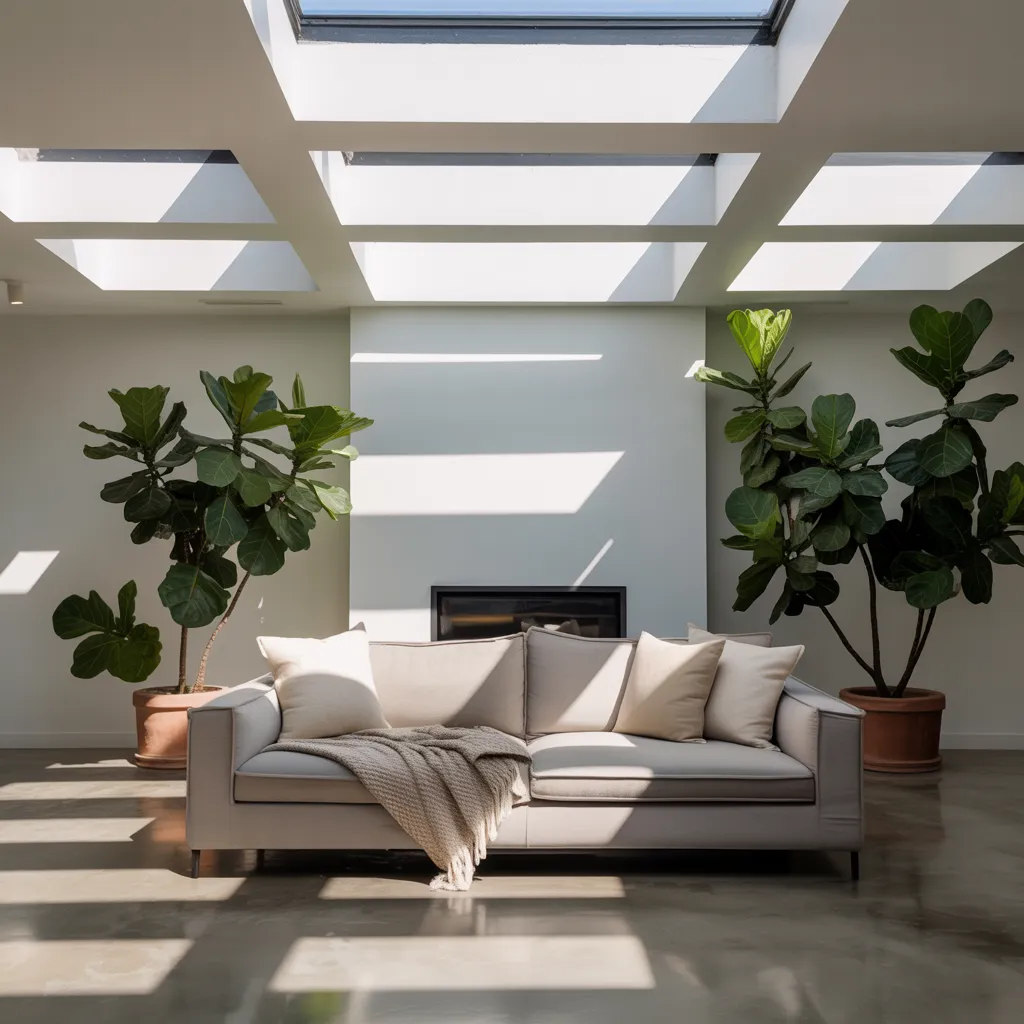
Benefits of Skylights on Flat Roofs
Installing skylights on flat roofs delivers many advantages that elevate both the design and utility characteristics of a room. One significant benefit is the improvement of indoor air quality, as skylights can facilitate natural ventilation when operable models are installed. This capability assists in decreasing dependence on synthetic lighting and climate control systems, resulting in reduced energy costs. Additionally, skylights can create a feeling of spaciousness, making rooms feel larger and more inviting. Their special configuration presents chances for imaginative architectural statements, enhancing the total identity of a property. Additionally, they have the potential to boost home value, attracting prospective purchasers who value the combination of contemporary aesthetics and functionality. In summary, skylights constitute a worthwhile investment for buildings with flat roofs.
Enhanced Sun-Based Luminosity
The installation of skylights on flat roofs remarkably boosts natural lighting within a space. This boost in natural light not only elevates the aesthetic appeal of interiors but also promotes energy efficiency by reducing reliance on artificial lighting. In summary, skylights serve as a valuable architectural feature that optimizes both functionality and design.
Greater Daylight Exposure
When installed in flat roofs, skylights greatly enhance natural lighting within a space, enabling sunlight to flood in throughout the day. This enhanced access to daylight can considerably improve the overall ambiance and functionality of interiors. Natural light has been connected to enhanced mood, productivity, and well-being, making skylights a advantageous addition for both residential and commercial properties. Additionally, daylighting can lower the reliance on artificial lighting, resulting in lower energy costs and a smaller carbon footprint. By strategically positioning skylights, building owners can maximize light penetration, making certain that even the darkest corners of a room receive sufficient illumination. This allows for a more inviting and vibrant environment, improving the overall experience for occupants.
Improved Visual Appeal
Natural light pouring through skylights transforms the aesthetic appeal of flat-roofed spaces, creating a visually dynamic environment. These openings in the ceiling do more than just brighten the interiors but also enhance the overall design, making areas feel more open and inviting. The interplay of sunlight and shadows brings depth and texture, contributing to a lively atmosphere that can boost the mood of any room. Additionally, skylights can serve as focal points, highlighting architectural features or artwork. By incorporating multiple shapes and sizes, homeowners can adapt the look to suit their distinctive vision, effectively fusing functionality with elegance. Ultimately, the presence of natural light through skylights amplifies the visual experience, increasing the charm of flat-roofed structures.
Energy Efficiency Advantages
Skylights not only illuminate flat-roofed spaces but also contribute greatly to energy efficiency by decreasing reliance on artificial lighting. By capturing natural sunlight, practical advice they enable homeowners to minimize energy consumption during daylight hours. This decrease in artificial lighting not only lowers electricity bills but also reduces the overall carbon footprint of a household. Additionally, strategically placed skylights can improve ventilation, facilitating air circulation and decreasing the need for air conditioning. The influx of natural light can create a more pleasant atmosphere, elevating well-being and productivity. Moreover, innovations in skylight technology, such as energy-efficient glazing, help stabilize indoor temperatures, further supporting energy savings. Overall, the installation of skylights represents a viable approach to achieving both aesthetic and energy efficiency benefits.
Enhanced Energy Conservation
Although numerous property owners pursue visual improvements, the energy efficiency benefits of installing skylights on flat roofs cannot be overlooked. Skylights can considerably reduce energy consumption by maximizing natural light, which minimizes the need for artificial lighting during the day. This reduction in electricity use not only cuts energy bills but also decreases the overall carbon footprint of the home. Furthermore, well-placed skylights can improve ventilation, allowing warm air to escape, thereby decreasing cooling costs in warmer months. By harnessing sunlight effectively, skylights support a more sustainable living environment. Homeowners should consider the long-term savings and environmental impact when evaluating the installation of skylights, as they offer both direct and sustained energy efficiency advantages.
Visual Appeal and Higher Property Valuation
Skylights installed on flat roofs deliver enhanced natural lighting, generating a brighter and more inviting interior space. Their modern design element serves to improve the total aesthetic appeal of a property. This combination not only improves visual attractiveness but can also result in an increase in property value.
Superior Daylight Lighting
Natural light plays a pivotal role in enhancing the aesthetic appeal of interior spaces, transforming them into attractive and energetic environments. The installation of skylights on flat roofs substantially boosts the influx of natural light, lighting up areas and establishing an uplifting atmosphere. This added illumination can minimize the need for artificial lighting, bringing about energy savings. Additionally, the presence of natural light can favorably impact mood and productivity, making spaces feel more open and connected to the outdoors. In terms of property value, homes with abundant natural light are often more attractive to potential buyers, as they offer a sense of warmth and spaciousness. Ultimately, enhanced natural lighting through skylights contributes to both the beauty and marketability of a property.
Current Design Component
As residents strive to establish contemporary and sophisticated environments, skylights on flat roofs have emerged as a significant modern design element. These installations don't just improve the design aesthetic of a property and additionally promote a sense of spaciousness and outdoor connectivity. The clean design and simple styling of skylights enhance multiple design styles, from urban industrial spaces to elegant modern residences. Moreover, their power to showcase natural light generates a dynamic interplay between living spaces and natural settings, elevating the overall ambiance. The strategic placement of skylights can also highlight specific design features, making them a popular selection among architects and designers seeking to satisfy clients' desires for groundbreaking and attractive options.

Enhanced Home Attractiveness
Boosting the aesthetic appeal of a home often leads to increased property value, making skylights on flat roofs a valuable investment. Skylights introduce natural light, creating a more luminous and more inviting atmosphere that can transform typical spaces. This infusion of light can highlight architectural features and elevate the overall ambiance. Potential buyers are often interested in properties that offer unique design elements, and skylights can serve as a distinctive selling point. Additionally, the sleek look of skylights complements various architectural styles, further improving curb appeal. As a result, homeowners can expect a strong return on investment, as well-designed skylights not only elevate visual appeal but also contribute to a more valuable property in the competitive real estate market.
Potential Drawbacks of Skylights
While skylights deliver considerable advantages concerning light and aesthetic appeal, numerous potential drawbacks require careful consideration. First, improper installation can cause leaks, which may cause water damage to the interior. Furthermore, skylights may produce heat buildup, causing increased energy costs for cooling during warmer months. They can also contribute to glare, making specific areas uncomfortable, particularly in sunny climates. Privacy concerns occur as well, especially in densely populated areas where neighbors can easily see inside. Furthermore, skylights might need specialized framing, possibly increasing construction costs. Last but not least, the risk of condensation may result in mold growth if not properly managed, posing health risks to occupants. These factors should be considered against the advantages before committing to installation.
Maintenance and Repair Considerations
Adequate maintenance and quick repairs are necessary for making sure skylights perform optimally and retain their aesthetic appeal. Frequent checks should be done to inspect for leaks, cracks, or condensation buildup, as these conditions can undermine the integrity of the skylight. Wiping down the glass and surrounding frames is essential to avoid dirt and debris from impeding light entry. Additionally, the flashing and seals around skylights must be inspected for wear and tear, as worn components can create water infiltration. Homeowners should be expecting potential repairs, which may include replacing or resealing parts of the skylight system. Engaging professional maintenance services can extend the lifespan of skylights, seeing to it that they remain a valuable feature of flat roofs.
Aspects to Review Prior to Installation
Prior to skylight installation on flat roofs, numerous critical factors require thorough assessment to ensure optimal functionality and visual appeal. To begin with, ensuring the roof's structural stability is essential; it must support the additional weight and possible water pooling. Next, regional weather conditions are critically important; regions with substantial rainfall or snow may require specialized waterproofing measures. Third, the orientation and size of the skylight should enhance natural light while reducing heat loss or gain. Moreover, evaluating energy efficiency through double or triple glazing can improve insulation. Finally, local building codes and regulations must be examined to confirm compliance. Comprehensive evaluation of these elements can result in a successful skylight installation that elevates both functionality and visual appeal.
Questions & Answers
How Do Skylights Affect Indoor Temperature Regulation?
Skylights can considerably impact indoor temperature management by permitting natural light to enter, which can warm the space during colder months. However, they can also result in overheating in warmer months if not appropriately managed.
Is It Possible for Skylights to Leak During Heavy Rain or Snow?
Skylights may certainly leak throughout heavy rain or snow if not adequately installed or maintained. Defective sealing, insufficient drainage, and deterioration over time can exacerbate this concern, resulting in prospective water damage in the property.
What Types of Skylights Are Best for Flat Roofs?
Top types of skylights for flat roofs include curb-mounted models, which deliver improved drainage, and those with a sleek design. These alternatives improve aesthetics while reducing potential water intrusion and maintenance concerns.
Do I Need a Building Permit for Installing Skylights?
In numerous jurisdictions, a building permit is mandatory for skylight installation. It is crucial to review local building codes and regulations to maintain compliance, as requirements can vary considerably depending on the location and project specifics.
How Do Skylights Impact Home Insurance Premiums?
Skylights could influence home insurance costs, as insurance companies might consider them an heightened risk for water damage or leaks. Homeowners should reach out to their insurance copyright to comprehend specific policy considerations associated with skylight installations.